
"Ethiopian bean shape"
1000 article(s) found

Introduction to the flavor and taste of Ethiopian coffee beans grading of Ethiopian coffee beans
Ethiopian beans look a little malnourished. However, the appearance of beans, Ethiopian coffee can be ranked as the world's most citrus aroma, whether instant coffee or freshly ground coffee, the extraction will smell the pungent aroma of orange or lemon. The nose is characterized by strong floral, fruity, sour and sweet aromas, but the alcohol is slightly thicker or less dense. The biggest disadvantage is that it is easy to bake unevenly, especially
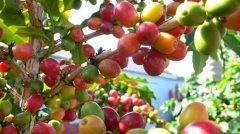
The special flavor of Ethiopian coffee the characteristics of African coffee beans
The natural characteristics of coffee beans include large coffee beans.
Coffee Encyclopedia beans and grading of Ethiopian Coffee
The grading we are talking about now refers to the grading of raw beans in the country where coffee is produced. (no matter which country coffee beans are not graded) Ethiopian coffee beans are divided into five grades. The first and second stages are reserved for washing beans with water. Grade 1 represents 0-3 raw beans and Grade 2 represents 4-12 missing beans per 300g raw beans. Grade 1 (G1) grade water washed bean pole

Introduction to the flavor characteristics of Ethiopian coffee Gemma coffee
The Ethiopian coffee producing area is 1400-1800 meters above sea level, and Lim continues to the south to reach the Gemma producing area. This area is the main body of Kafa forest, specializing in commercial beans, the annual export volume of more than 60, 000-80, 000 tons, accounting for 1/3 of Egypt's output, is the largest producing area. Gemma is sun-dried beans, which is very common in China's market, also known as Ethiopian mocha, but the price is Biha.

Introduction to the method of grinding and calibrating the taste of Ethiopian coffee beans
Ethiopian coffee bean flavor description the method of grinding scale to introduce the cultivation of coffee and how coffee culture has spread around the world has become one of the greatest and most romantic stories in history. Since shepherds in the Ethiopian desert discovered this thing known as devil beans, they began to try to chew coffee beans and drink coffee in water.

Medium-roasted Ethiopian Yega Snow Coffee introduces boutique coffee
The main producing areas of Ethiopian coffee are Harald (Harar) in the east, Djimmah (southwest) and Sidamo (south). The unique fragrance of Yirgacheffe comes from Yirga, a small town in the northwest of Sidamo province. Yirgacheffe is a global coffee connoisseur.

Introduction of Ethiopian Coffee Bean varieties by Flavor description method in Shaqiso producing area
The main producing areas of Ethiopian coffee are Harald (Harar) in the east, Djimmah in the southwest and Sidamo in the south. The unique fragrance of Yirgacheffe comes from Yirga, a small town in the northwest of Sidamo province. Yega Snow Coffee (Yirgacheffe)

Unique Ethiopian Coffee Manor boutique Coffee Bean Flavor, taste and aroma description Jane
Grade of Ethiopian coffee: Ethiopian washed coffee Yega Chuefei G1 G2 Sidamo (Yirgacheffe, Sidamo) has the highest grades 2 and 3 (G2, G3), while sun-processed coffee in eastern Ethiopia is mostly grade 4 or 5 (G4, G5). In many cases, level 4 coffee is marked as level 5 in order to reduce taxes. At present, the classification is not uniform and there are
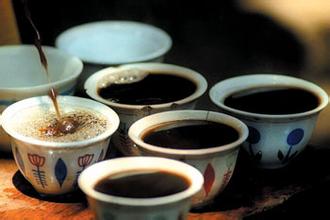
Ethiopian coffee is the most popular coffee in the world.
Ethiopia is one of the major producers of arabica coffee in Africa and produces the best arabica coffee in the world. It is said that coffee was first discovered by shepherds in Ethiopia, and the name of coffee evolved from Kafa, so Ethiopia is still the hometown of coffee. The natural characteristics of Ethiopian coffee beans include large

Flavor characteristics of Ethiopian Rosa Coffee Bean introduction to the Source Grade of Chaka Coffee varieties in Rosa Village
The story of Rosa Village lies in the remote and vast eastern part of the African continent, the westernmost tip of Ethiopia, the well-known birthplace of the world's coffee, and just a few kilometers from the border with South Sudan, lies an ancient, dense pristine jungle. The scenery here is breathtaking and breathtaking. 2007,

Ethiopian Arabica Coffee Sidama Region Lion King Coffee
Even the official Ethiopian research unit cannot say how many Arabicans there are in Ethiopia. Coffee cooperatives on one mountain certainly grow different varieties than those on another, and even small farmers in the same area grow different varieties of coffee. Some estimate that there are at least 2,000 varieties of Ethiopian coffee, and there are even more than 4,500 varieties. Compared to the southern neighbor, Ken

The refreshing character of Ethiopian Sidamoth Manor Coffee Flavor Description Roast degree processing
Washed coffee flavor is less likely to have wild flavor, with pure, refreshing characteristics, suitable for City to Full City roasting degree; some excellent Ethiopian washed coffee beans, sometimes can be perceived as obvious lemon, citrus essential oils, jasmine flowers, honey flavor, sour more obvious, mellow feeling thin
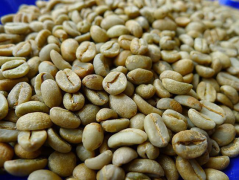
Grade analysis of Ethiopian coffee beans Ethiopian coffee beans are divided into five levels
Ethiopian coffee beans are divided into five levels. The first and second stages are washed beans. Washed beans Grade1 represents 3 defective beans per 300g raw beans, and Grade2 represents 4 defective beans per 300g. Gradc1 grade water washed beans are very rare and are generally difficult to buy. At present, all the washed beans exported from Ethiopia are Grade2 grade. The quality of sun-dried beans is Grade3 and Grade4 in order.

Wild flavor Ethiopian coffee bean varieties taste manor production area treatment method grinding engraving degree introduction
Ethiopian Coffee Bean Variety Taste Manor Regional treatment Grinding scale introduces Ethiopian Sidamo is a type of single origin that grows in Arabica coffee in Ethiopia's Sidamo province. Like coffee in most African countries, Ethiopian Sidamo is characterized by small gray beans, but characterized by its rich, spicy, wine or chocolate-like taste and floral aroma.

Treatment of grinding degree and roasting degree of fine coffee beans in Ethiopian Coffee Manor
Grade of Ethiopian coffee: Ethiopian washed coffee Yega Chuefei G1 G2 Sidamo (Yirgacheffe, Sidamo) has the highest grades 2 and 3 (G2, G3), while sun-processed coffee in eastern Ethiopia is mostly grade 4 or 5 (G4, G5). In many cases, level 4 coffee is marked as level 5 in order to reduce taxes. At present, the classification is not uniform and there are

Ethiopian coffee beans have a unique flavor.
Professional coffee knowledge exchange More coffee bean information Please pay attention to coffee workshop (Weixin Official Accounts cafe_style) Front Street-Ethiopian coffee introduction In the 6th century, Ethiopian people began to chew coffee and spices together. The most common thing is that people who go hunting wrap coffee with bacon as the best dry food, so that they can eat and hunt. Suoyuezui

Introduction of flavor description and taste treatment method for classification characteristics of Ethiopian coffee beans
Ethiopian coffee bean species classification characteristics flavor description taste treatment method to introduce how many Arabica subspecies there are in Ethiopia, even the official research unit of Ethiopia does not know. The coffee cooperatives in this mountain are certainly different from those planted in another mountain, and even small farmers in the same region grow different varieties of coffee. Some people estimate that Ethiopian coffee arrives

Introduction to the characteristics of Ethiopian Yega Xuefei Coffee
Although the Ethiopian Yirgacheffe coffee is petite, it is gentle and delicate and sweet. As the hometown of coffee, thousands of years of planting history and processing tradition in Ethiopia have created high-quality washed Arabica beans. Light baking has unique sweet aromas of lemon, flowers and honey, soft acidity and citrus flavors, fresh and bright on the palate. Without
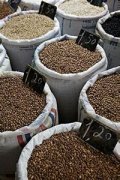
The origin and development of Ethiopian fine coffee beans
Ethiopian coffee beans

Ethiopian coffee bean grade analysis coffee bean common sense
Ethiopian coffee beans are divided into five levels. The first and second stages are washed beans. Washed beans Grade1 represents 3 defective beans per 300g raw beans, and Grade2 represents 4 defective beans per 300g. Gradc1 grade water washed beans are very rare and are generally difficult to buy. At present, all the washed beans exported from Ethiopia are Grade2 grade. The quality of sun-dried beans is Grade3 and Grade4 in order.